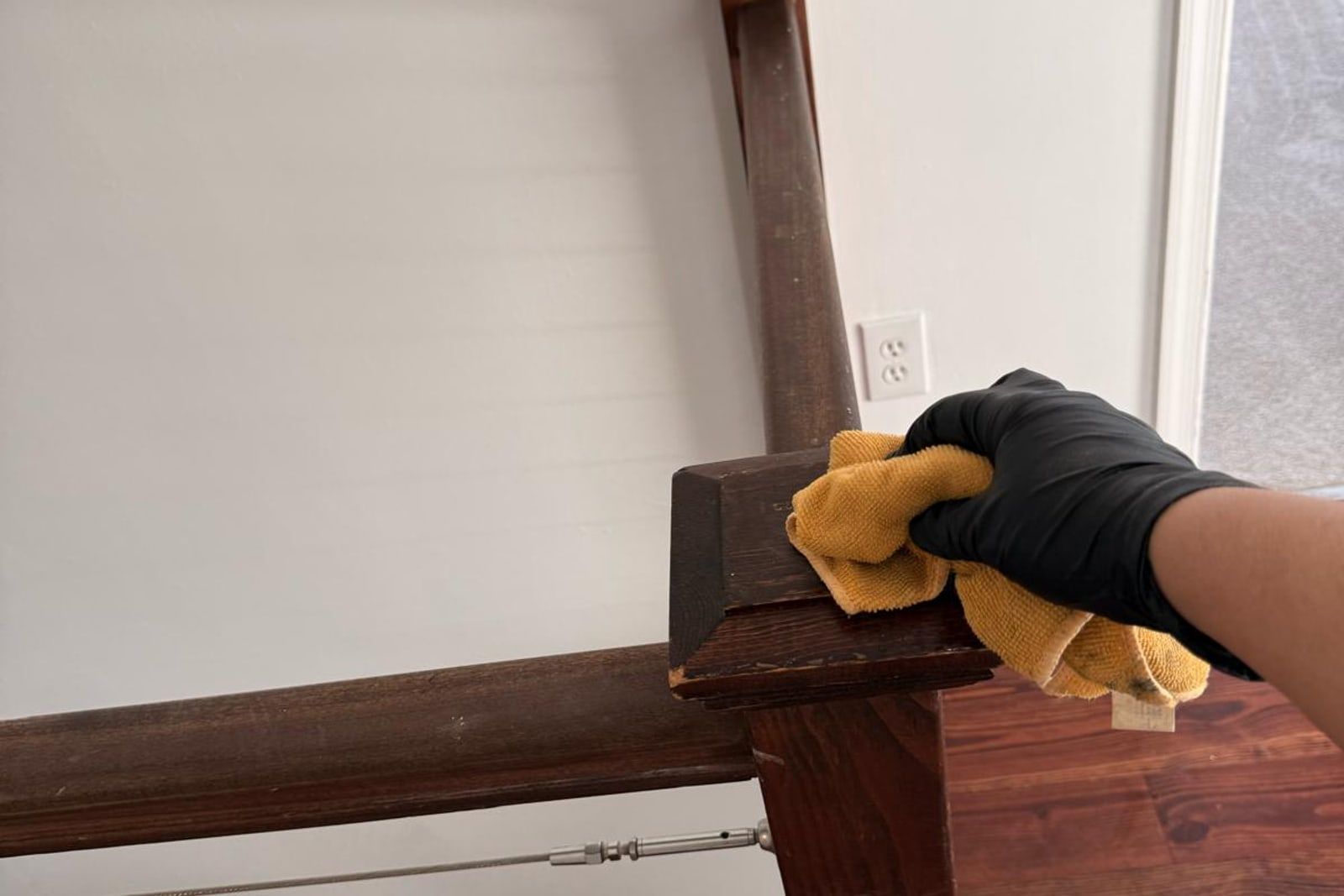
It is common for busy property owners in Stafford County or Fauquier County to view property care through a purely aesthetic lens. A room looks organized, the countertops are wiped down, and the floors appear clear; therefore, the space is deemed well-kept. However, true property conservation addresses what lies beneath the surface.
Allowing dust, environmental pollutants, and moisture film to accumulate in less visible areas does more than create an unpleasant environment; it actively degrades building materials. Relying on superficial adjustments or a quick clean of visible surfaces merely masks developing issues, leading to preventable wear and costly repairs down the line.
Everyday environments contain a variety of particulate matters, including silica dust, skin flakes, fabric fibers, and outdoor pollutants tracked indoors. When these particles settle, they do not remain inert.
By implementing consistent, detail-focused maintenance, property owners interrupt these destructive cycles, protecting expensive finishes from premature failure.
The air quality inside modern, well-insulated buildings is heavily influenced by surface cleanliness. When HVAC systems cycle, they disturb accumulated dust on baseboards, blinds, and high ledges, suspending these irritants back into the breathing zone.
For overwhelmed homeowners or commercial operators managing busy facilities, a decline in air quality can manifest as subtle, persistent health challenges, such as seasonal allergy flare-ups, dry throats, and reduced focus. A thorough cleaning professional focuses intentionally on these airborne reservoirs, utilizing specialized filtration vacuums and meticulous dusting techniques to capture particles permanently rather than simply redistributing them into the air.
A reactive approach to property maintenance means waiting for an area to appear severely neglected before taking action. This strategy is ultimately inefficient and expensive. Removing long-standing, built-up grime often requires aggressive chemical treatments or intensive manual scrubbing that can damage delicate surfaces.
Proactive care involves creating an ongoing schedule of routine cleaning services. By maintaining a stable level of cleanliness, building components are preserved using gentle, non-destructive methods. This predictable care routine offers great value, eliminating the stress of unexpected restoration projects and extending the operational lifespan of every asset in the building.
Establishing a dependable care framework requires understanding the unique needs of your property. To develop an optimal schedule that aligns with your timeline, consider engaging an expert evaluation. Requesting a custom cleaning estimate provides a structured, transparent overview of the precise care required to safeguard your real estate investments.
Delivering premium residential and commercial cleaning services throughout Northern Virginia since 2022. Our property care specialists provide dependable routine maintenance cleaning, corporate office cleaning, property management support, and detailed turnover cleaning. Jodec Cleaners provides consistent property upkeep across Prince William, Fairfax, Loudoun, Stafford, Arlington, and Fauquier Counties; covering Woodbridge, Manassas, Annandale, Tysons, Leesburg, South Riding, and Alexandria. Experience expert property care designed to give you complete peace of mind.