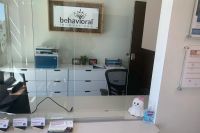
When a visitor enters a medical suite or a corporate office in Tysons or Manassas, they instantly begin absorbing sensory data that shapes their opinion of the organization. Long before a professional delivers a consultation or presents a business proposal, the physical environment has already spoken.
In professional environments, cleanliness is not merely a background logistical detail; it is a direct reflection of an organization’s operational discipline and core values. A space that receives detail-focused care communicates safety, respect, and meticulous professionalism. Conversely, an untidy waiting room, dusty baseboards, or smudged glass entrance doors can subtly create anxiety, undermining a client’s or patient's confidence in the capabilities of the staff.
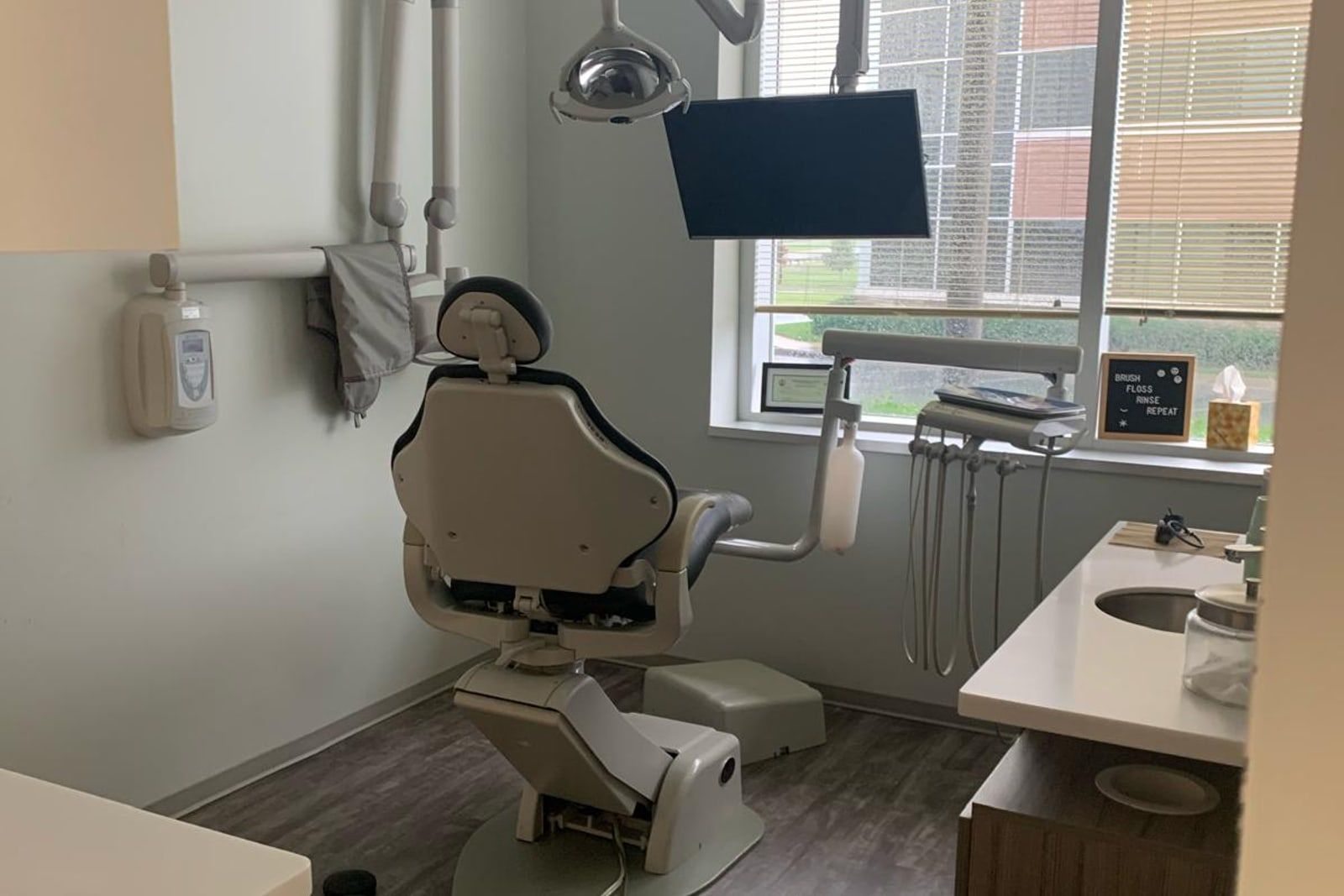
In specialized facilities, the stakes of property care extend far beyond aesthetics. Medical office cleaning requires a deep understanding of sanitization protocols to protect vulnerable populations and support regulatory compliance.
Enlisting a trained cleaning team ensures that clinical spaces are treated with the precision necessary to satisfy healthcare standards, providing deep reassurance to patients and staff members alike.
In broader corporate environments, the correlation between facility care and team performance is well-documented. An office that is overdue for cleaning can harbor substantial levels of dust mites, pollen, and other airborne particulates. Over time, exposure to these indoor irritants can cause subtle but continuous health drains, resulting in diminished focus, increased fatigue, and higher rates of short-term sick leave.
A consistent routine cleaning schedule addresses these issues directly at the source. By maintaining clean communal kitchens, pristine restrooms, and dust-free desks, organizations provide an environment where employees can perform at their highest level, feeling confident that their physical well-being is protected.
Modern office buildings frequently house a complex mix of private offices, shared meeting rooms, collaborative focus zones, and public reception areas. Each zone presents distinct maintenance challenges. For instance, high-traffic conference rooms may require daily attention to upholstery and media equipment, while storage areas or individual offices might only need a weekly routine refresh.
Managing these varying needs requires a flexible, comprehensive partner. By designing custom cleaning support strategies, business owners ensure that critical public-facing zones and high-sanitization areas receive targeted care without interrupting daily business operations. This disciplined approach preserves the physical asset while continuously reinforcing a premium brand image.
If you are ready to elevate the presentation of your professional facility, establishing a structured maintenance framework is the ideal next step. Schedule a free property consultation to discover how a professional, transparent care program can seamlessly integrate with your operational calendar, protecting your space and your professional reputation.
Delivering premium residential and commercial cleaning services throughout Northern Virginia since 2022. Our property care specialists provide dependable routine maintenance cleaning, corporate office cleaning, property management support, and detailed turnover cleaning. Jodec Cleaners provides consistent property upkeep across Prince William, Fairfax, Loudoun, Stafford, Arlington, and Fauquier Counties; covering Woodbridge, Manassas, Annandale, Tysons, Leesburg, South Riding, and Alexandria. Experience expert property care designed to give you complete peace of mind.